
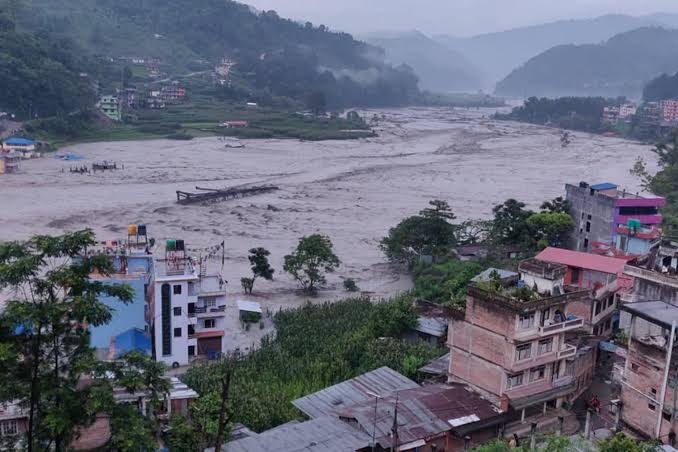
Nepal flash flood update continues to draw attention as floods, landslides and the aftermath of a major disaster affect communities in several parts of the country. Rescue, recovery and identification efforts are continuing, while fresh rainfall has also caused new local flooding and landslides in some areas.
The latest Nepal flash flood update shows that the country is still dealing with the consequences of the devastating late-August flood disaster as well as new rainfall-related incidents. Authorities and rescue teams continue to work in affected districts, while families are waiting for information about people who remain missing.
Nepal Flash Flood Update: Latest Situation
According to a Reuters report published on September 16, around 5,200 people, including 636 foreign nationals, were still unaccounted for following the major disaster. At least 1,399 deaths had been confirmed, while authorities were using DNA samples to help identify recovered bodies.
The search operation has involved drones, helicopters and specialist teams. Difficult mountain terrain, debris and damaged infrastructure continue to make rescue and recovery work challenging.
Fresh Floods and Landslides in Nepal
The flood situation is not limited to the original disaster area. On September 17, officials in Achham reported 17 confirmed deaths following landslides caused by persistent rainfall. Eleven injured people were rescued and airlifted to Surkhet, while three people were reported missing.
What Caused the Major Nepal Flash Flood?
The major disaster along the Nepal-China border in late August was linked to an ice-rock or glacial collapse that triggered a powerful flood. The resulting water and debris caused extensive destruction in the Bhotekoshi and Trishuli river areas.
Nepal’s Ministry of Energy, Water Resources and Irrigation has been preparing an expert committee to investigate the causes and sequence of the devastating Bhotekoshi flood and examine the geological risks involved.
Rescue and Search Operations
Search teams have continued looking for missing people and survivors in difficult locations. One of the most notable rescue operations involved workers trapped inside a hydropower tunnel after the flood.
Rescuers successfully recovered survivors after several days underground. The operation demonstrated the difficulties faced by rescue teams working through damaged hydropower facilities and large amounts of flood debris.
Impact on Roads and Transportation
Floods and landslides have damaged roads and disrupted transportation in different parts of Nepal. Some routes have been temporarily blocked by landslides, boulders, mud and swollen rivers.
Authorities have been working to clear debris and reconnect affected communities. However, road conditions can change quickly after heavy rainfall, so travelers should check local information before starting a journey.
Flood Recovery and Relief Efforts
Recovery work includes search and rescue, emergency relief, road repairs, restoring electricity and communications, and supporting displaced families. Nepal has also received assistance from international organizations and neighboring countries.
India has approved electricity exports of up to 654 megawatts to Nepal for 18 hours per day through December 31, 2026, following the severe impact of the disaster on Nepal’s hydropower infrastructure.
Nepal Flash Flood Update for Travelers
Anyone planning to travel through flood- or landslide-prone areas should check the latest local road and weather information before traveling. Mountain roads can become dangerous very quickly when rainfall increases.
- Check local weather and road conditions before traveling.
- Avoid crossing flooded rivers or roads.
- Stay away from unstable hillsides and landslide areas.
- Follow instructions from local authorities.
- Keep emergency communication devices charged.
- Do not rely on old social media posts for current conditions.
Why the Nepal Flood Situation Is Important
The disaster has affected communities, transportation, hydropower facilities and families across affected regions. The continuing search for missing people also means that the impact of the disaster is still unfolding.
The Nepal flash flood update can change rapidly because weather conditions, rescue operations and official casualty figures are updated over time. Readers should therefore check official announcements and reliable news sources for the latest information.
Frequently Asked Questions
What is the latest Nepal flash flood update?
The latest reports indicate that Nepal continues to deal with the aftermath of the major August disaster while new rainfall has caused additional floods and landslides in some districts. Search, recovery and relief operations remain ongoing.
How many people were reported missing after the major disaster?
A Reuters report dated September 16 reported around 5,200 people still unaccounted for in Nepal, including 636 foreigners. Official figures can change as identification and search operations continue.
Which area has reported new flood and landslide deaths?
On September 17, authorities in Achham reported 17 confirmed deaths following rainfall-triggered landslides, with three people reported missing.
Is it safe to travel during floods in Nepal?
Safety depends on the specific location and current weather conditions. Travelers should check local authority and road updates and avoid flooded roads, rivers and areas at risk of landslides.
Final Update
The Nepal flash flood update remains an evolving situation. The country is continuing rescue, identification, relief and reconstruction work after the devastating flood disaster, while some districts are also experiencing new rainfall-related flooding and landslides.
Because conditions and official figures can change, readers should verify important travel and safety information through current official sources before making decisions.